Best Practices for Surface Disinfection in Healthcare Settings
Maintaining clean and properly disinfected surfaces is a foundational part of infection control in healthcare environments. From clinics and outpatient centers to long-term care facilities and medical offices, surface disinfection helps reduce the risk of cross-contamination and supports safer day-to-day operations.
While protocols may vary by facility type, effective surface disinfection consistently relies on the right products, proper usage, and well-defined routines. Understanding these best practices can help healthcare organizations maintain compliance, protect staff and patients, and ensure their facilities are prepared for daily demands.
Why Surface Disinfection Matters
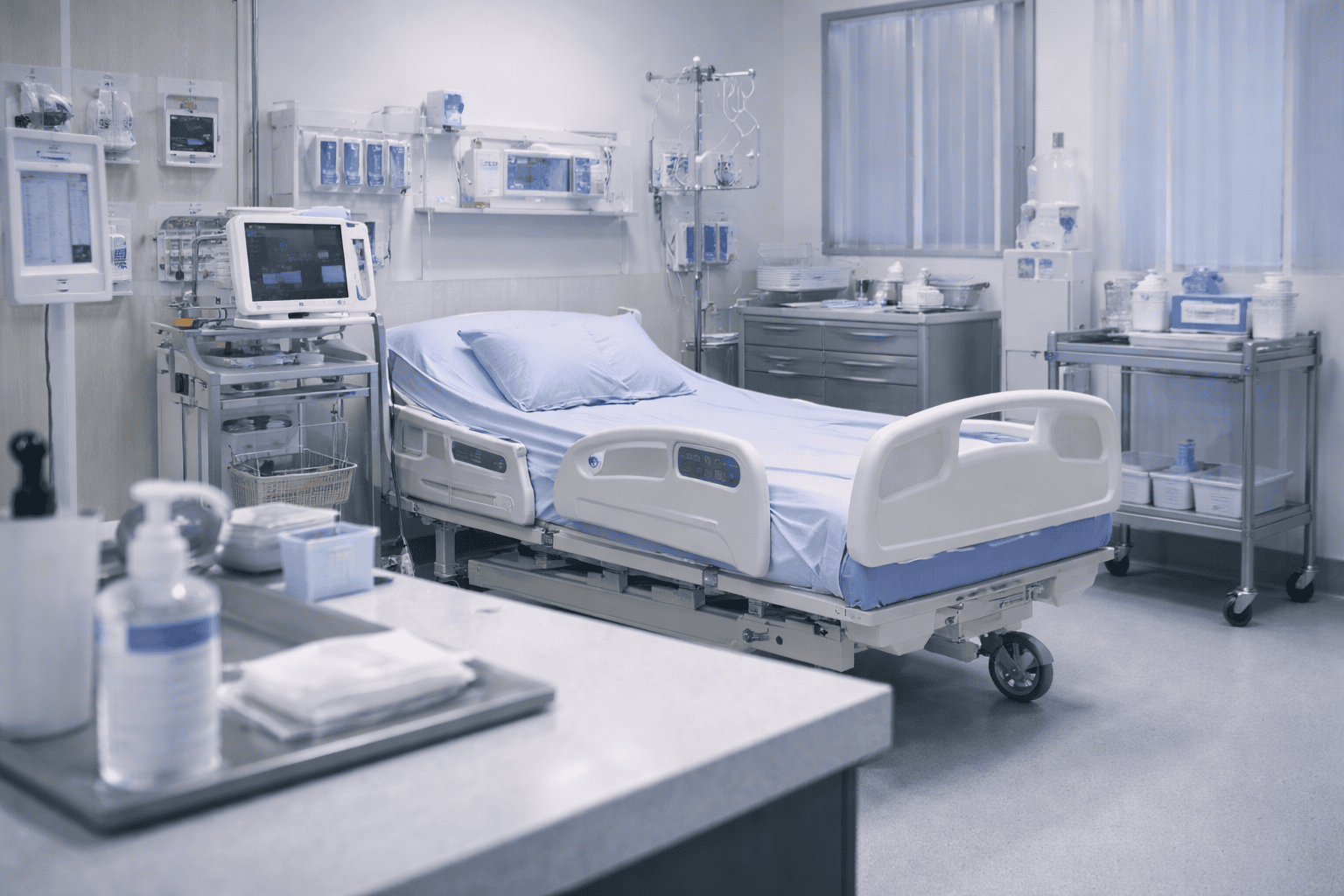
High-touch surfaces—such as exam tables, door handles, countertops, carts, and shared equipment—can become points of contamination if not cleaned and disinfected regularly. In busy healthcare environments, these surfaces are often contacted repeatedly throughout the day by staff, patients, and visitors.
Consistent surface disinfection helps:
- Reduce the spread of bacteria and viruses
- Support infection-control protocols
- Maintain a professional and safe clinical environment
- Reinforce confidence among patients and staff
Identifying High-Touch Areas
One of the most effective ways to improve surface disinfection practices is to clearly identify high-touch areas within a facility. These areas typically require more frequent attention than floors or low-contact surfaces.
Common high-touch surfaces include:
- Exam tables and treatment chairs
- Bed rails and overbed tables
- Light switches and door handles
- Medical carts and workstations
- Countertops and sinks
- Shared medical equipment
By prioritizing these areas, facilities can focus their efforts where they matter most.

Proper Use and Application
Even high-quality disinfectants are only effective when used correctly. Clear instructions and staff training are essential for consistent results.
Best practices for application include:
- Cleaning visible soil before disinfecting
- Ensuring surfaces remain wet for the recommended contact time
- Using one wipe or cloth per surface area to avoid cross-contamination
- Disposing of used wipes properly after each use
Facilities should also establish written procedures so staff understand when and how often surfaces should be disinfected throughout the day.
Supporting Staff Through Efficient Workflows
Surface disinfection routines should support staff efficiency rather than slow it down. Readily accessible supplies, clear labeling, and standardized products across departments can reduce confusion and improve compliance.
Many healthcare organizations find that:
- Stocking disinfectant wipes at point-of-use locations improves consistency
- Using standardized products across the facility simplifies training
- Maintaining adequate inventory prevents interruptions to cleaning routines
Reliable access to essential supplies plays a key role in maintaining consistent infection-control practices.


Building a Sustainable Disinfection Program
Building a Sustainable Disinfection Program
Effective surface disinfection is not a one-time effort—it is an ongoing process. Regular reviews of cleaning protocols, product usage, and supply levels can help facilities adapt to changing needs and workloads.
Healthcare organizations benefit from working with supply partners who understand:
- The importance of product availability
- The need for consistent quality
- The operational realities of healthcare environments
A well-supported disinfection program contributes to safer facilities and smoother daily operations.

Final Thoughts
Surface disinfection remains a critical component of infection control across healthcare settings. By identifying high-touch areas, selecting appropriate products, and supporting staff with clear procedures and reliable supplies, facilities can maintain effective and sustainable cleaning routines.
Strong disinfection practices are not just about compliance—they are about creating an environment where healthcare professionals can focus on what matters most: delivering quality care.