

McKesson
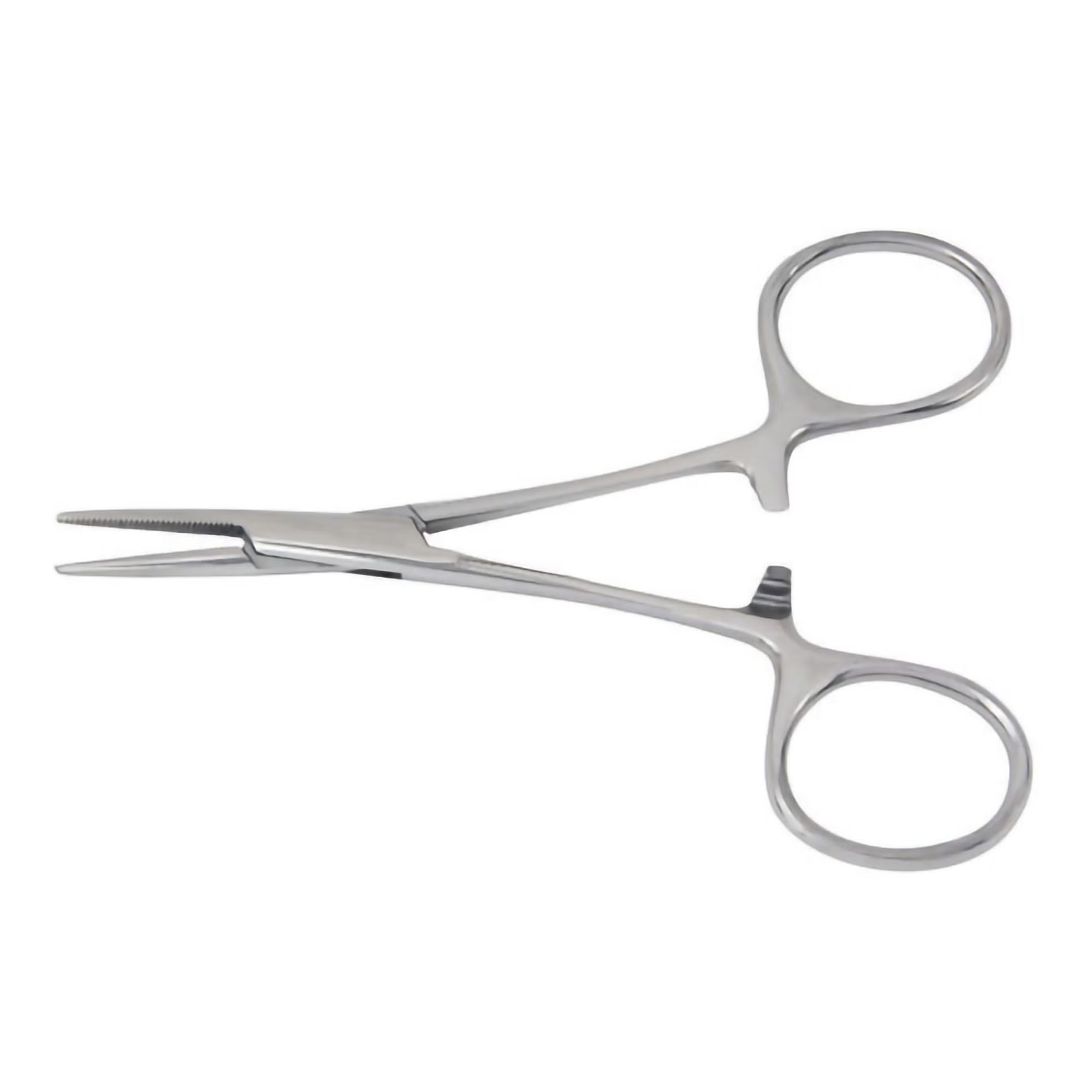
Mosquito Forceps McKesson Hartmann 3-1/2 Inch Length Floor / Office Grade Pakistani Stainless Steel NonSterile Locking Finger Ring Handle Straight Serrated Tips
McKesson Hartmann 3-1/2-inch mosquito forceps with straight serrated tips, locking finger-ring handle, and Floor / Office Grade Pakistani stainless steel construction for controlled clamping and handling during routine clinical procedures. Nonsterile and supplied individually.
Non-returnable
SKU - SKUX-04750
$12.95
$17.95
Customize
Processing Time
Standard (1-3 Business Days) Estimated Order Processing Time Before Tracking Number Is Assigned
MFR Code
43-2-409 Manufacturer Product Code
Product Sterility:
Non-Sterile Product Sterility Defined by Manufacturer
Share:
Product Details
McKesson Hartmann Mosquito Forceps 3-1/2 in Office Grade – EA are compact clinical instruments designed for controlled clamping, grasping, and handling during routine office-based procedures. The Hartmann-Mosquito pattern combines a small 3-1/2-inch profile with straight serrated tips for precise access in applications where a compact locking instrument is preferred.
Constructed from Pakistani stainless steel, these Floor / Office Grade forceps feature a traditional finger-ring handle and integrated locking mechanism to maintain controlled gripping pressure without continuous hand compression. The instrument is supplied nonsterile and individually packaged.
Key Features
| Hartmann-Mosquito Pattern | Straight Serrated Tips | 3-1/2-Inch Length |
|---|---|---|
| Compact configuration for detailed procedural work | Helps maintain controlled gripping and clamping | Small profile supports precise maneuverability |
| Locking Mechanism | Finger-Ring Handle | Office Grade |
|---|---|---|
| Maintains selected gripping pressure during use | Traditional scissor-style handling | Designed for routine in-office clinical applications |
| Stainless Steel | Nonsterile | Individually Supplied |
|---|---|---|
| Durable Pakistani stainless steel construction | Requires appropriate processing before clinical use | Convenient EA packaging for replacement or instrument-set stocking |
Specifications
| Attribute | Details | Attribute | Details |
|---|---|---|---|
| Brand | McKesson | Manufacturer | McKesson |
| MPN | 43-2-409 | Product Type | Mosquito Forceps |
| Style | Hartmann | Grade | Floor / Office Grade |
| Length | 3-1/2 in. / 8.9 cm | Material | Pakistani Stainless Steel |
| Tip Style | Straight | Tip Type | Serrated |
| Handle Type | Finger Ring | Locking Type | Locking |
| Instrument Configuration | Scissor Type | Sterility | Nonsterile |
| Product Packaging | EA | Minimum Selling Unit | EA |
| Quantity | 1 Instrument | Clinical Category | Forceps / Surgical Instruments |
Warnings
| Nonsterile Product | Inspect Before Use | Locking Mechanism |
|---|---|---|
| Process appropriately before clinical use according to facility procedures | Inspect tips, alignment, joint, handle, and locking mechanism before each use | Confirm proper engagement and release before clinical use |
| Serrated Tips | Avoid Excessive Force | Trained Personnel |
|---|---|---|
| Use appropriate care when grasping delicate tissue or materials | Do not exceed the instrument's intended gripping or clamping function | Intended for personnel trained in appropriate procedural technique |
| Remove Damaged Instruments | Reprocessing | Proper Storage |
|---|---|---|
| Remove bent, corroded, loose, or malfunctioning instruments from service | Follow validated facility cleaning, disinfection, and sterilization procedures | Store clean, dry, and protected from damage between uses |