

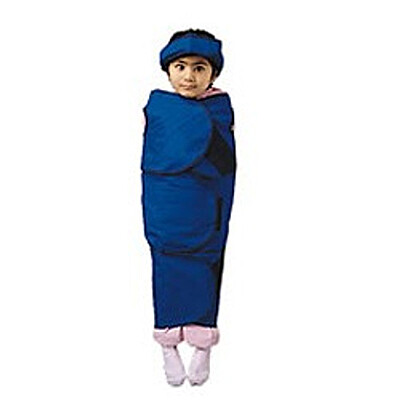
Phillips Safety Regular Papoose Board, MRI Safe, Pediatric Stabilization, Ages 2–5 Years – Each
Phillips Safety Regular Papoose Board (PAP-67050) is a reusable, metal-free pediatric protective stabilization device designed for children approximately 2–5 years old. Featuring a rigid support board, padded three-tier flap assembly, adjustable head strap, and four arm/wrist straps, this manufacturer-designated MRI Safe system supports temporary patient stabilization during medically necessary examinations and procedures.
Ordering: Sold by Each Only (EA/1). Each unit includes one complete Regular Papoose Board stabilization set. Minimum selling/purchasing unit: Each.
Customize
Product Details
Phillips Safety Regular Papoose Board is a pediatric protective stabilization device designed to temporarily limit patient movement during medically necessary examinations and procedures. Intended for children approximately 2–5 years old, the board provides a rigid support surface with adjustable padded restraints for use under trained healthcare supervision.
The device features a 37-inch-long board measuring approximately 11 inches wide at its widest point. Its metal-free construction is designated MRI Safe by Phillips Safety, providing a stabilization option for appropriate imaging environments in accordance with facility safety protocols.
The complete set includes a padded three-tier flap assembly with hook-and-loop closures, one padded head strap, and four adjustable arm/wrist straps. The selective-access flap design enables healthcare professionals to access designated treatment areas while maintaining appropriate patient stabilization.
Designed for repeated professional use, the Regular Papoose Board is suitable for pediatric medical practices, hospitals, dental facilities, and selected procedural settings. Its reusable construction and hanging hole support convenient cleaning, maintenance, and storage according to manufacturer instructions.
Ordering & Packaging: Sold by Each Only (EA/1). Each unit includes one Regular Papoose Board, one padded three-tier flap set, one padded head strap, and four arm/wrist straps. Minimum ordering unit: 1 Each.
Key Features
| Feature | Detail | Feature | Detail |
|---|---|---|---|
| Size | Regular | Recommended Age | 2–5 Years |
| Board Length | 37 Inches | Maximum Width | 11 Inches |
| Construction | Metal-Free | MRI Status | Manufacturer-Designated MRI Safe |
| Board Weight | 4 lb | Application | Temporary Stabilization |
| Flap Assembly | Padded Three-Tier | Closure | Hook-and-Loop |
| Head Strap | Included | Arm/Wrist Straps | 4 Included |
| Latex Status | Latex-Free | Usage | Reusable |
| Storage | Hanging Hole | Clinical Setting | Pediatric Care |
| Packaging | EA/1 | Minimum Unit | EA |
Specifications
| Specification | Detail | Specification | Detail |
|---|---|---|---|
| Brand | Phillips Safety | Manufacturer | Phillips Safety Products |
| MPN | PAP-67050 | Product Type | Protective Stabilization Board |
| Size | Regular | Patient Category | Pediatric |
| Recommended Age | 2–5 Years | Board Length | 37 Inches |
| Maximum Board Width | 11 Inches | Board Weight | 4 lb |
| Construction | Rigid, Metal-Free | MRI Status | MRI Safe, Per Manufacturer |
| Flap Configuration | Three-Tier Padded | Closure Type | Hook-and-Loop |
| Head Strap | 1 Included | Arm/Wrist Straps | 4 Included |
| Latex Status | Latex-Free | Usage | Reusable |
| Selling Packaging | EA/1 | Minimum Selling Unit | Each |
| Available Ordering Units | EA Only | Product Family | Papoose Board |
Warnings
FOR PROFESSIONAL HEALTHCARE USE — PROTECTIVE STABILIZATION DEVICE.
Use only under the supervision of appropriately trained healthcare professionals and when medically necessary.
Consider less-restrictive alternatives before protective stabilization.
Follow applicable institutional procedures regarding informed consent.
Intended for temporary stabilization only. Do not use for continuous or prolonged restraint.
Never leave a patient unattended while secured to the board.
Ensure straps and flaps do not restrict breathing, airway patency, or circulation.
Monitor the patient continuously for overheating, pressure injuries, positioning concerns, and signs of distress.
Discontinue stabilization immediately if a safety concern develops.
Inspect the board, restraints, flaps, and closures for damage before each use.
Follow the manufacturer's Instructions for Use and applicable MRI safety procedures.
Do not assume that MRI-safe construction establishes complete X-ray radiolucency.
Clean and maintain reusable components according to the manufacturer's instructions and facility infection-control requirements.